



Vivaldi says it won’t add AI features
Vivaldi’s CEO, Jon von Tetzchner, has announced that the browser will not add AI features. The browser maker has confirmed that Vivaldi will not add an LLM for a chatbot, summarization tool, or suggestion engine for filling up forms, until there are better ways to do these.
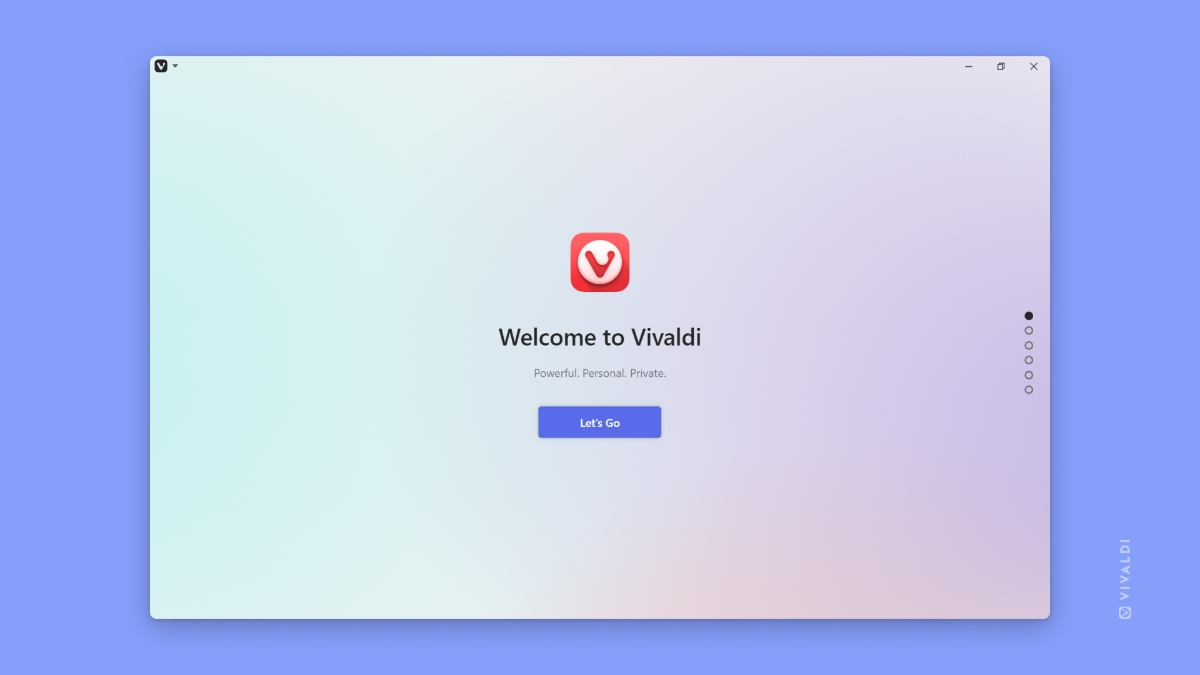
Tetzchner lashed out at Google and Microsoft for bloating their browsers with AI, which, along with upcoming AI-powered browsers, could pose serious risks for the privacy of users. He acknowledged a growing concern among web publishers, who are facing decreased traffic, because of AI summaries in search results. Users prefer to read summaries and closing the tab/session instead of visiting the source website, and this could lead to the end of many blogs. Tetzchner also warned that AI will likely cause further problems, dictating the future of browsers, whoever controls the market will monetize user data.
Vivaldi is the only major browser that hasn’t added AI features, naturally, the news has been welcomed by users who are concerned about privacy, and bloat.
Anthropic does a U-turn, will use chats to train Claude AI unless they opt out
Anthropic has announced updates to its terms of services and privacy policy. Claude AI, which was once praised for not training its language models on user data, will do exactly the opposite.
The new policies will allow Claude AI to train its models on chats, unless users explicitly opt out of this data collection. Anthropic will also store user data for 5 years. These policy changes do not affect older chats, but new and resumed conversations will be used to improve the AI. Anthropic says the policy will automatically come into effect on September 28, so users need to opt out before then. However, if users accept the policy now, it will come into effect immediately. Opting out of the data collection also prevents Anthropic from retaining the data for more than 30 days.

The main issue is that users will need to toggle a setting off manually, to opt out of allowing Claude to use their data. This setting is enabled by default. New users can turn this off during the sign-up process. Claude AI users are alarmed by the changes, and have criticized Anthropic’s sudden change in its stance.
Microsoft Word to save your Docs on OneDrive automatically
Microsoft Office users will need to be careful where they save their files. The Redmond company is changing the default save location for Word documents. Instead of saving the files on your computer’s hard drive, Word will now upload your Docs to the cloud, OneDrive. This is the new default behavior for Word, so any new files that you create will be saved to the cloud. Users will need to change the default save folder manually to prevent their documents from being automatically saved on OneDrive.

This isn’t the only change that Microsoft is making, new documents will be named with the date they were created, instead of a document’s name. Word users will be able to change the file name when they try to save the file, or when attempting to close Word without saving the file.
Microsoft’s decision to upload documents to its cloud storage service has been met with criticism from users, who called this an anti-privacy move, alleging that this behavior would allow AI to scan their files.
Google Play to collect data about your Android gaming habits
Google has announced enhanced gaming profiles for Android, to help uses track their achievements and progress in games across devices. But this comes at a cost to your privacy. Android gamers will encounter a new prompt from Google Play, asking them to sign in with their gamer profile. When this profile is created, an option will allow you to import historic data. Your gaming profile can be made public, to allow others users to see your data. Google will also gain access to some of your data such as the list of games that you have installed, when you played them, for how long, and certain games may even share data like saved progress, achievements or leaderboard rankings.

The Mountain View company says this data is used to provide Play Games profile features and services, to improve the overall Google Play gaming experience, and is essential for improving and developing more features. Users can change the privacy setting from their account to restrict the amount of data that is shared with Google.
Google Translate’s new feature can help you learn languages
Google Translate can now translate audio and on-screen text in real-time, in over 70 languages. This could users have live conversations with other people in a different language. The live translation feature is currently available for Android and iOS users in the U.S., India and Mexico.

Google Translate can now help you learn languages, it uses Gemini AI to create personalized interactive scenarios for users, based on their skill level. It was designed with the help of learning experts, to allow users to improve their vocabulary, and speak in a different language with the confidence to communicate. Users can choose their skill level, and set a goal to learn the language of their choice, and the app generates exercises for them to practice.
The language learning features are currently rolling out in the Translate app for Android and iOS for English speakers who are learning Spanish and French, and for Spanish, French and Portuguese speakers practicing English. These features could make Google Translate rival language learning apps like Duolingo.
Microsoft Copilot comes to Samsung TVs and monitors
Microsoft and Samsung have announced Copilot for Samsung TVs and monitors. Copilot’s Appearance, a talking blob, will appear on the screen, and users can talk to it by accessing the app from their home screen, and pressing the mic button on their remote. Copilot will listen, animate, and respond to the user’s query with audio and lip-sync. It can assist users by providing spoiler-free recaps, offer suggestions on which shows or movies to watch based on their preferences, or even assist them with day to day tasks and information such as weather updates, and more.

Copilot is available on 2025 Samsung TVs in select markets, it is compatible with the following models: Micro RGB, Neo QLED, OLED, The Frame Pro, The Frame, as well as the M7, M8, and M9 Smart Monitors.