



Netflix plan prices hiked in the U.S.
Netflix has increased the price of its subscriptions in the United States. The streaming service had last hiked its prices in January 2025. According to a support page on the official website, Netflix’s ad supported plan now costs $8.99 per month, after a $1 increase from $7.99/month.

But, it’s not the only plan that is costlier now. Netflix’s ad free plans have also been given the same treatment. The Standard plan, which was previously available for $17.99 per month now costs $19.99 per month, after a $2 hike. The price of Netflix’s premium plan has also shot up by that number, from $24.99 per month to $26.99 per month. Naturally, this was met with criticism from a subset of users. Subscribers have criticized the growing trend in which companies keep jacking up the prices of streaming services steadily. It is unclear if the prices will be increasing in other regions.
Sony announces $100 price hike for PS5
Netflix streaming isn’t the only thing that became costlier, the PlayStation 5 was hit by a massive price increase too. Sony announced that it is increasing the price of its PS5 consoles around the world from April 2nd. This is the second time that the company has increased the price of the consoles in less than a year, it did so in August 2025, due to pressures in the global economic landscape. It likely refers to the ongoing memory, chip shortages.

The basic PS5 which was previously available for $549.99, will cost $649.99. The PS5 Digital Edition, i.e. the model without a disc drive, which was previously $499.99, will cost $599.99. And the PS5 Pro will carry a price tag of $899.99, up from $749.99. Sony has also hiked the price of the PlayStation Portal, by $50. It will be available for $249.99.
OpenAI shuts down Sora
OpenAI has shut down its AI video generator, Sora. The platform, which debuted in late 2024, allowed users to generate videos using simple prompts. It raised some eyebrows in Hollywood, but also managed to attract a massive deal with Disney in December 2025. This deal was reportedly worth $1 Billion, and would have allowed Disney’s characters to be used in Sora, and Disney Plus. Fast-forward a few months, both the deal and the AI video generator are both dead.
When OpenAI announced the news, it surprised everyone, but it did not explain why Sora was being shuttered. Experts believe that Sora was expensive to maintain. A Forbes report from last year suggested that it costed OpenAI $15 million per day to keep Sora running. Clearly, that doesn’t seem like a profitable venture, as opposed to ChatGPT, which has been the company’s most popular service. Nevertheless, Sora’s end has the community wondering whether this is just the beginning. Will the AI bubble burst?
Wikipedia bans AI-generated content for articles
Wikipedia has updated its guidelines, and it no longer allows editors to use generative AI for their articles. Up until now, editors could use gen AI to write or rewrite pages on the site, but now that is forbidden. Editors can however continue to use AI for tasks such as basic editing, translating text from other languages to English. But, The Verge reports that there are some rules to be followed for using LLM-assisted translations.
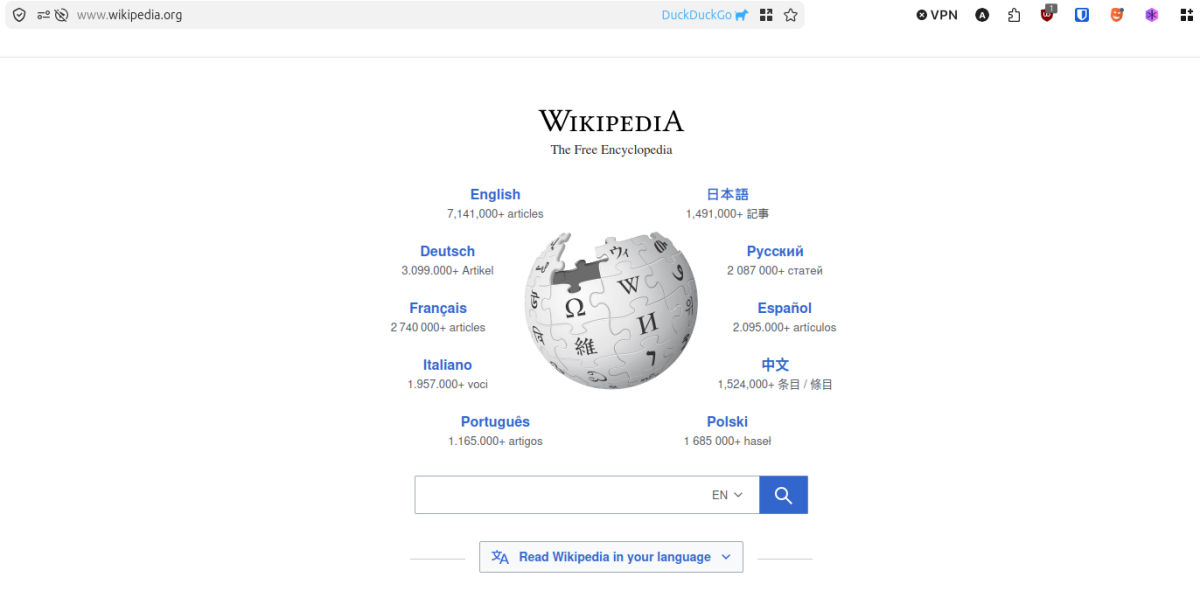
Wikipedia believes AI-written articles had violated its content policies, and users had a negative experience with low-quality articles. That’s why the new policy was approved, to allow Wikipedia to ensure that editors can detect AI-written articles quickly.
Google’s TurboQuant reduces LLM memory usage drastically
Staying on topic of AI tech, Google Research announced a compression algorithm called TurboQuant. This algorithm can reduce the memory usage of large language models by up to 6 times. Impressively, the performance of the algorithm was 8x better, without a loss of quality.

TurboQuant uses a two-step technique, one for simplifying thew activation vectors, and the other for elimination of errors. Both processes make LLMs more memory-efficient, and less expensive. Now, the question is, can Google TurboQuant help with the on-going memory shortage crisis? If LLMs require fewer memory, it could bring RAM prices down, but it may take a while for that to happen. In fact, the news already hit RAM companies a bit, as their stocks recorded drops. But, experts have warned that such new technology could have an adverse affect. If more companies adopted it for advanced AIs, it could drive up the demand for RAM.
Mozilla introduces a free VPN in Firefox, and Split View Tabs
Mozilla released the Firefox 149 update this week, and it comes with two important features. The first is a free built-in VPN, this is limited to 50GB of usage per month. When enabled, it will hide your real IP address from websites, and route all traffic via its proxy. While this is a nice feature, it is worth mentioning that this protection is limited to Firefox. It is not a system-wide VPN, and as such, does not hide your IP address in other apps. It just protects the user’s activity in Firefox. Mozilla does not keep a log of the activity, i.e. it does not record websites that a user visits.

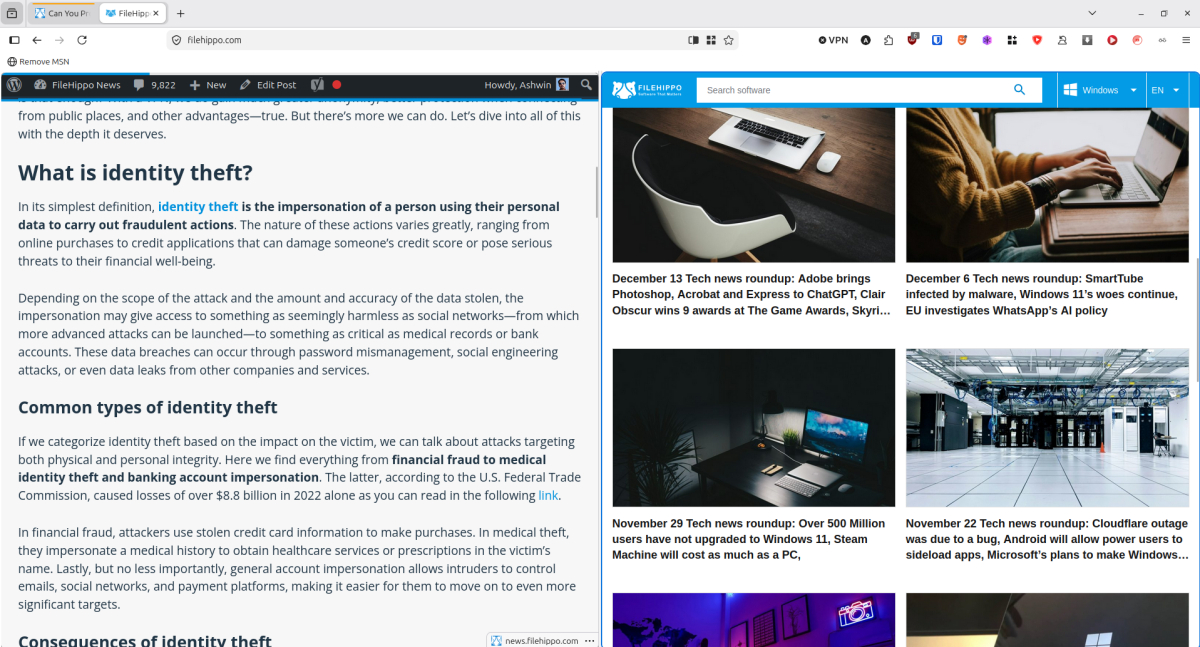
The other cool feature in Firefox 149, is Split View tabs. This allows users to view two tabs side-by-side. To use this, right-click on a tab, and select “Add Split View”.. Then, select the other tab from the list of open tabs. Now, you will be able to read both pages in the same tab. To undo this, just right-click on one of the Split View tabs, and select “Separate Split View”.
Samsung Internet browser for Windows launched
Samsung has launched its web browser for PCs. The app, which is called, Samsung Internet, debuted in January this year in a beta. Now, it’s available for all users on Windows 11. Samsung Internet is based on Chromium’s engine, and offers various features that are designed to be used with its Galaxy smartphones. It requires a Samsung account to sync bookmarks, browsing history and passwords via Samsung Pass. The browser has a built-in ad blocker, translation tool, and supports extensions that are available on the Chrome Web store.
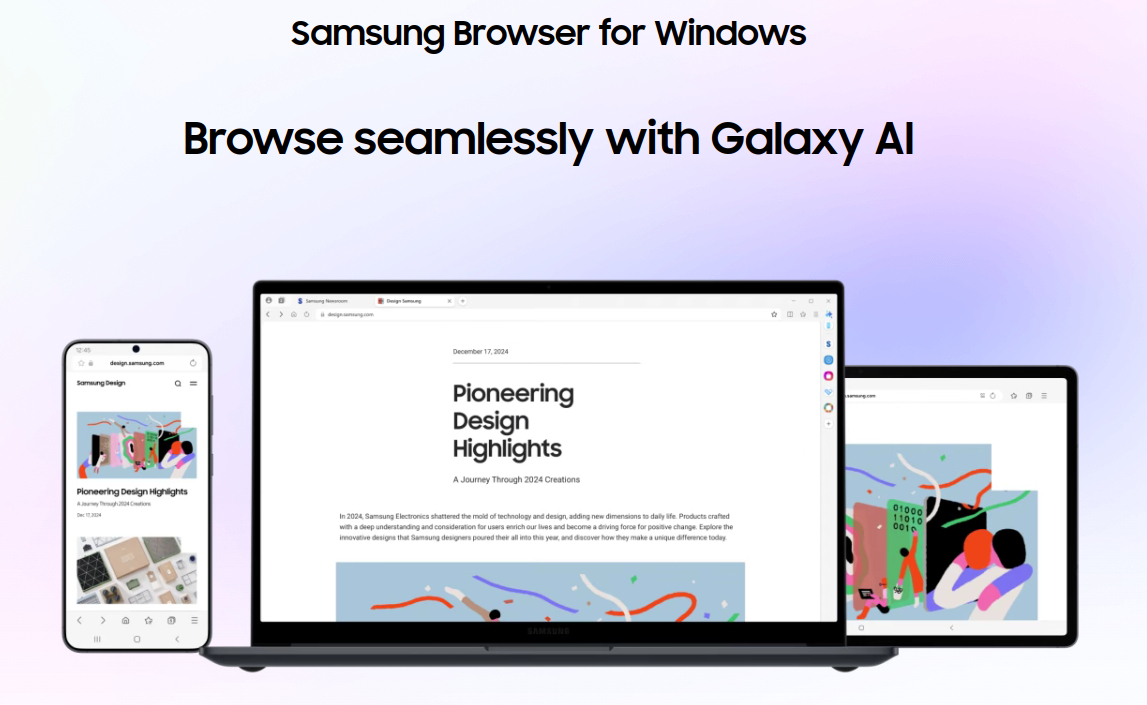
Samsung Internet has some AI features, these are powered by Perplexity AI, and can be used for summarizing web pages, searching, browsing, etc,. However, these AI features are only available for users from South Korea and the U.S. Some of the browser’s features require a Samsung Galaxy Book laptop to function. These limitations could make it tough for Samsung Internet to compete with the likes of Chrome, Edge, Firefox, etc.