


Torrenting vs. Streaming: Key Differences, Security, and Legal Considerations Explained
News March 19, 2026 Michael Franco

Digital content consumption has grown exponentially recently. Movies, TV shows, music, video games, and software are now easily accessible to anyone with an internet connection.
In this environment, two methods stand out above the rest: torrenting and streaming. While both allow users to access online content, they work in very different ways and carry distinct implications when it comes to convenience, security, and legality.
Understanding the difference between torrenting and streaming is essential for making informed decisions. Many people use these technologies daily without fully understanding how they work, the risks involved, or whether their use is legal in their country. This lack of awareness can lead to security threats, malware infections, or even legal consequences. You wouldn’t be the first person to face serious trouble without realizing it.
In this guide, we take an in-depth look at what torrenting and streaming are, how each method works, their advantages and drawbacks, and the key legal and security factors to consider. By the end, you’ll be better equipped to decide which option best fits your digital needs.
What Is a Torrent and What Is Torrenting?
Torrenting is a file-sharing method based on peer-to-peer (P2P) networks. Instead of downloading a file from a single central server, users download small pieces of the file from multiple computers connected to the same network. This approach distributes the load efficiently and is especially useful for large files.
When people ask, “What is torrenting?” they’re referring to this collaborative distribution model. To use it, you require a torrent client—such as BitTorrent or uTorrent—which manages both the download and the sharing of file fragments between users.
It’s important to distinguish between legal and illegal use when torrenting. The technology itself is legitimate and widely used to distribute open-source software, Linux distributions, operating system updates, and public-domain content. Torrenting can become unlawful when the content is unlawful or it’s used to download or share copyrighted material without authorization.
How Does Torrenting Work?
Torrenting relies on several core elements working together. The process starts with a torrent file, which doesn’t contain the actual content but includes information that helps locate other users who already have parts of the file.
These users fall into two main categories:
- Seeds: users who have the complete file and share it
- Peers: users who are downloading the file and simultaneously sharing the parts they already have
The torrent client connects to multiple seeds and peers at the same time, downloading small chunks of the file from different sources. A helpful way to think about it is like assembling a puzzle by collecting pieces from many people instead of receiving the whole picture from one place.
While this makes torrenting efficient and scalable, it also means that a user’s IP address can be visible to others on the network, which raises privacy concerns.
Is Torrenting Legal?
There’s no universal answer to this question. Torrenting legality depends on both the type of content involved and the laws of the country where the user is located.
In general, torrenting is legal when it’s used to download or share content that isn’t protected by copyright. Common examples include:
- Open-source software
- Linux distributions
- Public-domain files
- Content shared with the creator’s permission
Problems arise when torrenting is used to distribute copyrighted movies, TV shows, music, or commercial software without a license. In those cases, users may be violating intellectual property laws.
Penalties vary widely by region. Some countries issue warning notices or fines through internet service providers, while others impose more serious legal consequences. The legality of torrenting depends more on what you download than on the technology itself.
What Is Streaming?
Streaming is a technology that allows users to watch or listen to media in real time without downloading the entire file to their device. Instead, data is transmitted continuously from a server to the user.
Unlike torrenting or traditional downloads, streaming doesn’t permanently store the full file on the device. This allows for near-instant access to content and minimizes local storage requirements.
Popular streaming platforms include Netflix, YouTube, Spotify, and Twitch, offering everything from movies and TV shows to music and live broadcasts. Streaming has fundamentally changed how people consume digital entertainment. Avast Free Antivirus also provides clear explanations of how streaming works and what users should be aware of.
How Does Streaming Technology Work?
Streaming relies on real-time data transmission. Content is divided into small segments that are sent continuously to the user’s device, allowing playback to start almost immediately.
To ensure a smooth streaming experience, a few basic requirements are needed:
- A stable internet connection with sufficient bandwidth
- A compatible device (smart TV, computer, smartphone, or tablet)
- In some cases, a VPN, especially when accessing geo-restricted content
Because the content isn’t stored permanently, streaming reduces certain download-related risks. However, the viewing experience depends heavily on connection quality.
Is Streaming Legal and Safe?
Streaming is generally legal and safe when done through licensed, well-known platforms. Services like Netflix or Spotify comply with copyright regulations and offer secure environments for users.
That said, many unofficial streaming sites operate without proper licenses. These platforms raise legal concerns and often expose users to risks such as malware, intrusive ads, and unsafe tracking practices.
Streaming laws also vary by country. Some regions only penalize content distributors, while others may also hold viewers accountable. Avast offers guidance on how to watch TV online safely and avoid common threats.
Torrenting vs. Streaming: Key Differences
The torrenting vs. streaming debate is common among users looking for the best way to access digital content. While both methods allow access to movies, TV shows, music, and software, they differ significantly in terms of usability, technical requirements, and risk.
Key differences include:
Storage
- Torrenting requires saving the full file locally
- Streaming does not permanently store content
Internet Connection
- Torrenting allows offline use after download
- Streaming requires a constant connection
Content Access
- Torrenting provides full file access and often higher quality
- Streaming depends on platform catalogs
User Experience
- Torrenting involves more technical steps
- Streaming is immediate and user-friendly
Quick comparison
| Feature | Torrenting | Streaming |
| Offline use | Yes | No |
| Disk space | High | Minimal |
| Initial speed | Slower | Immediate |
| Maximum quality | Very high | Variable |
Pros and Cons of Torrenting
Advantages
- Offline access after download
- Full control and ownership of files
- High-quality versions available
- Ideal for large or hard-to-find files
Disadvantages
- Potential legal risks if a shared file contains copyrighted material
- Higher exposure to malware, especially on P2P networks
- Privacy concerns due to visible IP addresses
- Significant storage requirements
Pros and Cons of Streaming
Advantages
- Instant access and convenience
- No local storage needed
- User-friendly, cross-platform interfaces
- Generally no need to consider legality when using official services
Disadvantages
- Fully dependent on internet quality
- Possible buffering interruptions
- Variable video or audio quality
- Less control of the content
Security Risks and How to Stay Protected
Both torrenting and streaming can expose users to security risks if used carelessly.
Common threats include:
- Malware, especially from fake torrents
- Phishing links on unofficial streaming sites
- Data tracking and privacy leaks
- ISP monitoring, particularly for P2P traffic
These risks don’t mean the technologies are unsafe by nature—but they do require precautions.
Recommended protection measures:
- Use trusted platforms and websites
- Encrypt your connection with a VPN
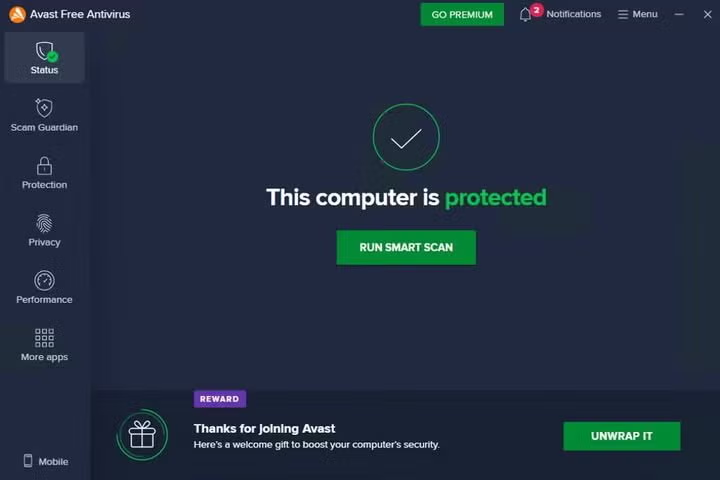
- Install a reliable antivirus such as Avast Free Antivirus
- Avoid suspicious links and misleading ads
How to Stay Safe When Using Torrents
If you choose torrenting, following best practices is essential:
- Use a VPN to hide your IP address from malicious actors
- Download only from reputable torrent sites
- Avoid unlawful or copyrighted content
- Scan files with Avast Free Antivirus before opening them
- Check user comments and ratings
These steps significantly reduce both legal and security risks.
How to Protect Your Cybersecurity While Streaming
Streaming also requires caution, especially outside official platforms:
- Prioritize licensed apps and services
- Avoid illegal streams that often include malware
- Use ad blockers and security extensions
- Keep your browser and operating system up to date
Which Option Should You Choose?
There’s no single right answer. The best choice depends on your habits and priorities.
Choose torrenting if you:
- Need offline access
- Want maximum file quality
- Have sufficient storage space
- Understand and manage legal and security risks
Choose streaming if you:
- Prefer convenience and instant access
- Don’t want to download files
- Have a reliable internet connection
- Want a simple, legal solution
Ultimately, the torrenting vs. streaming discussion isn’t about which technology is “better,” but which one best fits your needs and risk tolerance. Both methods have a legitimate place in the digital ecosystem when used responsibly and within the law. By understanding their technical differences, legal implications, and security risks—and by using protection tools like Avast Free Antivirus—you can enjoy online content safely and confidently in an ever-evolving digital world.