



Microsoft wants to focus on native apps for Windows 11
Microsoft has been making quite a few changes recently to improve the Windows 11 experience. According to Rudy Huyn, a Microsoft Partner Architect, the next step is to focus on Windows apps. You may be aware that many Windows apps aren’t proper desktop apps. Rather, some of them are web apps. Web apps are usually unoptimized, and can hog the memory, which can in turn slow down the PC’s performance. Some examples of progressive web applications (PWAs) are Clipchamp, Copilot, and more notably, the Outlook app.
This is the problem that the Redmond company is aiming to fix. Microsoft wants to move towards 100% native Windows apps. Interestingly, this will also apply to the system UI.While this is good news, Microsoft is just getting started with putting together a team to build native apps. So, it may take a long time before the new experience is available for users.
Microsoft recently announced that it would soon allow users to move the Taskbar to the sides/top. It is also working on removing Copilot from Windows apps, fixing File Explorer’s performance, and let users choose to pause Windows Updates indefinitely.
RAM prices are beginning to fall
The RAM shortage crisis is far from over, but things could be finally starting to improve. Over the past year, AI companies stocked up on RAM chips for their data servers. This had a chain reaction, from a reduction in supply for consumers, to overall shortage, and a sharp spike in price increases globally. As a ripple effect, console prices have also gone up due to the memory shortage, one portable console was discontinued before its launch. Experts predict that the shortage, dubbed as RAMageddon, could persist into 2027. However, a report by TrendForce indicates that the prices of RAM has fallen by about 20 to 30% in the US and Europe.

Why is this happening all of a sudden? What changed? One possible reason is that people aren’t buying RAM because they can’t afford it. As the demand dwindles, so will the price. There is also the matter of Google’s TurboQuant technology, which will significantly reduce the amount of DRAM usage by AI models. This has led to investors rethink about the market, while gamers and consumers are hoping to eventually see a turnaround of the situation.
Telegram enables AI Editor for chats, and user’s aren’t happy
Telegram has introduced a new AI feature called AI text editor, in its instant messaging apps. This feature allows users to translate text, rewrite content in different styles, correct grammatical errors, etc. It’s powered by Telegram’s Cocoon AI, which the company says, respects the privacy of users.
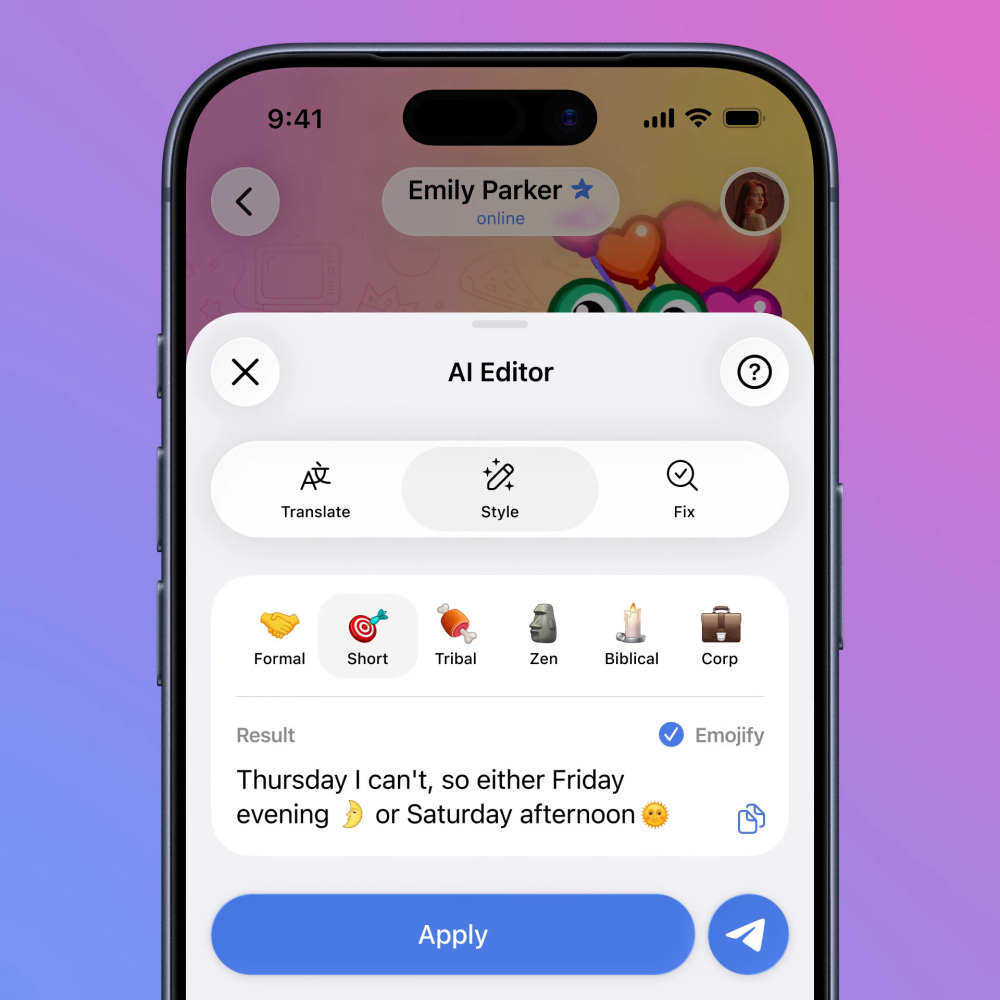
However, the response was from the community was clear. The news was met with criticism from users, who said that this was not a feature that anyone had asked for. Telegram’s AI Editor isn’t exclusive to Android and iOS, it is also available on the desktop apps for Windows, Linux, and macOS. The main problem is that there appears to be no way to disable the AI features in Telegram. Discord was hit by a massive backlash from users when it added AI into its apps, it is possible that something similar could happen to Telegram.
Gmail’s AI Inbox can help you manage your mails, for a price
Google had revealed AI Inbox for Gmail in January 2026, but the features weren’t available for users until now. AI Inbox can identify high-priority items from your emails to suggest to-dos featuring things that need your attention or action. For example, a utility bill or a credit card bill. The AI will also display a summary of important updates across projects and topics from email threads, travel, reservations, purchases, etc.

There are some privacy concerns that one needs to consider. Using Smart Features in Gmail lets AI scans the content of your emails, and that’s not something everyone would be comfortable with. Google says that Gmail’s AI Inbox is currently rolling out in beta to users in the US, specifically for those who have a Google AI Ultra subscription. For those unaware, that plan costs $250 per month.
Google now lets you change your Gmail username, in the US
Staying with news about Gmail, have you have ever wanted to change your username? Well, now you can. The part that I’m referring to is the one that comes before the @gmail.com suffix in your email address. For example, username@gmail.com.
The option to change your username is buried under a few layers, but here’s how you can do it. Go to your Google account settings, tap on Manage your Google account. Tap on Personal Info > Email > Google Account Email and Change Account Email. This will allow you to set a new, unique username for your account.
You will retain the old username, so don’t worry about losing access to it. Please be aware that you can only change your username once every 12 months. But, if you want to revert to the old name, you can do so. Doing this will prevent you from changing the username for 30 days.
Google’s announcement says that option to change your Gmail username is currently rolling out to users in the US. It is unclear when the feature will be available for the rest of the world.
Samsung enables blood pressure monitoring for Galaxy Watch users in the US
Samsung has enabled the ability to monitor blood pressure via Galaxy Watch devices in the US. The electronics giant had debuted the feature 6 years ago in South Korea. It has taken quite a long time for it to introduce blood pressure monitoring in the U.S. The feature is not available for everyone just yet, it’s currently rolling out to users.
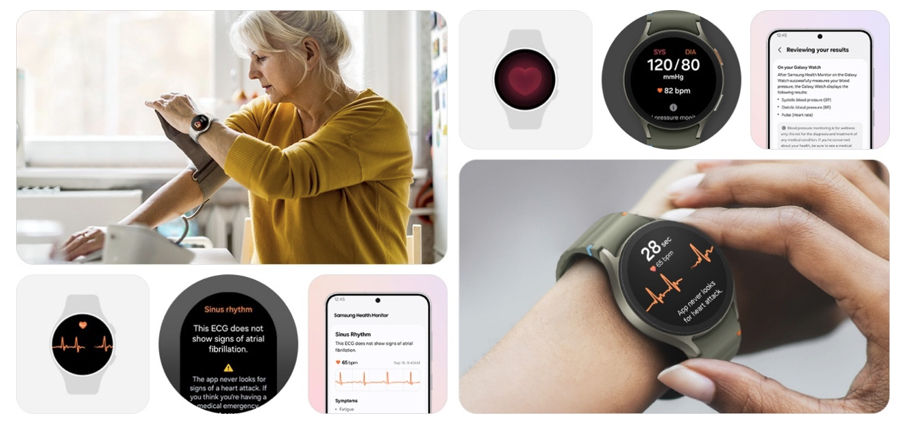
To track your blood pressure monitor on your Galaxy Watch, you will need to download the Samsung Health Monitor app on your Android phone. It is supported on Galaxy smartphones running on Android 12 or above, and works with Galaxy Watch 4 and above with Watch OS 4.0 or newer. The feature measures measure systolic and diastolic blood pressure, and the heart rate of the user.