



Apple iPhone 17 series launched
Apple has announced the iPhone 17 series, featuring a new model called the iPhone 17 Air. For the first time, the base iPhone model has ProMotion Display, i.e. a 120Hz Refresh Rate. In fact, Apple has also upgraded the base storage across the board, all models start with 256GB of storage. The iPhone 17 has a 6.3-inch Super Retina XDR display, an A19 chipset with 8GB RAM, and a dual camera array with a 48MP Fusion main camera/12 MP telephoto sensor, and a 48MP Fusion ultra-wide camera/12 MP macro sensor. Apple has used a square shaped sensor for the 18MP selfie camera on the front, allowing users to capture selfie images in any orientation without rotating the phone.

Apple’s iPhone 17 Air has a titanium frame, a large plateau on the back with a single rear camera which is a 48MP Fusion Camera/12MP telephoto camera. The Air has a 6.5-inch display, and Ceramic Shield 2 on the front and the back. It is powered by an A19 Pro chip, with 12GB RAM, and comes with an Apple N1 chip for Wi-Fi 7, Bluetooth 6, Thread, and an Apple C1X modem for mobile connectivity. The iPhone 17 Air does not support physical SIMs, it is e-SIM only worldwide,
The iPhone 17 Pro and Pro Max has a vapor chamber cooling system for better performance during gaming. It has 3 cameras on the back, and a 6.3-inch display. Apple has priced the iPhone 17 starting at $799. The iPhone 17 Air starts at $999, while the iPhone 17 Pro starts at $1099. The iPhone 17 Pro Max has been priced at $1199. All 4 models of the iPhone 17 series are available for pre-order now, and will start shipping on September 19th.
Firefox’s new AI feature will summarize web pages when you shake your iPhone
Firefox for iOS has a new feature, it will summarize web pages when you shake your iPhone. This feature can also be triggered by tapping the thunderbolt icon in the address bar, or from the three-dot menu. It requires iOS 26 or above to work. On the iPhone 15 and later models, Firefox uses local language models to process the summarization via Apple Intelligence. However, on older iPhone models, Firefox will send the text content on the web page to its cloud “securely”, and fetch the summarized version.

Firefox fans have termed the feature gimmicky, one that nobody asked for. Users have also expressed privacy concerns about cloud-based AI features being added in Firefox. On a side note, Mozilla says it will end support for Firefox for 32-bit Linux in 2026.
EU fines Google for violating antitrust laws
The European Union has found Google guilty of violating competitive laws related to advertising. The Search giant had favored its own ads, instead of those placed by competitors, which had led to an antitrust trial.

A statement by the European Commission noted that Google had been breaching EU competition rules for over 10 years, and that this was the third time it was being fined for such an offense. The EU has slapped a $3.5 billion fine on the Mountain View company for the damage it has caused to consumers, advertisers in the EEA. It may force the sale of part of Google’s ad tech business to remedy the situation.
Microsoft dodges EU fine in Teams antitrust case
Google may have received a fine from the EU, but Microsoft was luckier. The European Commission had opened an antitrust investigation in 2023, after complaints from Slack which said that Microsoft was forcibly installing its Teams chat app, distributing it as part of Office 365, making it difficult to remove, and also hid the cost to the consumer. The Redmond company was found guilty of breaching anticompetitive laws, and ordered to make some changes. Microsoft has to follow some commitments as a remedy for its antitrust violations.

Office 365 versions available in the EU will be offered without Teams at a lower price, than suites that include the chat app. Microsoft will also allow interoperability in its core productivity apps to allow third-party apps to integrate with them. EU consumers can export their Teams data and migrate to a rival app.
Microsoft Edge 140 comes with a Scareware Blocker, HTTPS-first mode
Microsoft Edge 140 has been released, and the updates brings some important security features. Edge’s HTTPS-first mode will make it prefer to connect to HTTPS versions of websites whenever possible. If a website does not support HTTPS, the browser warns the user that the connection is insecure, and allows them to choose whether to proceed or not.
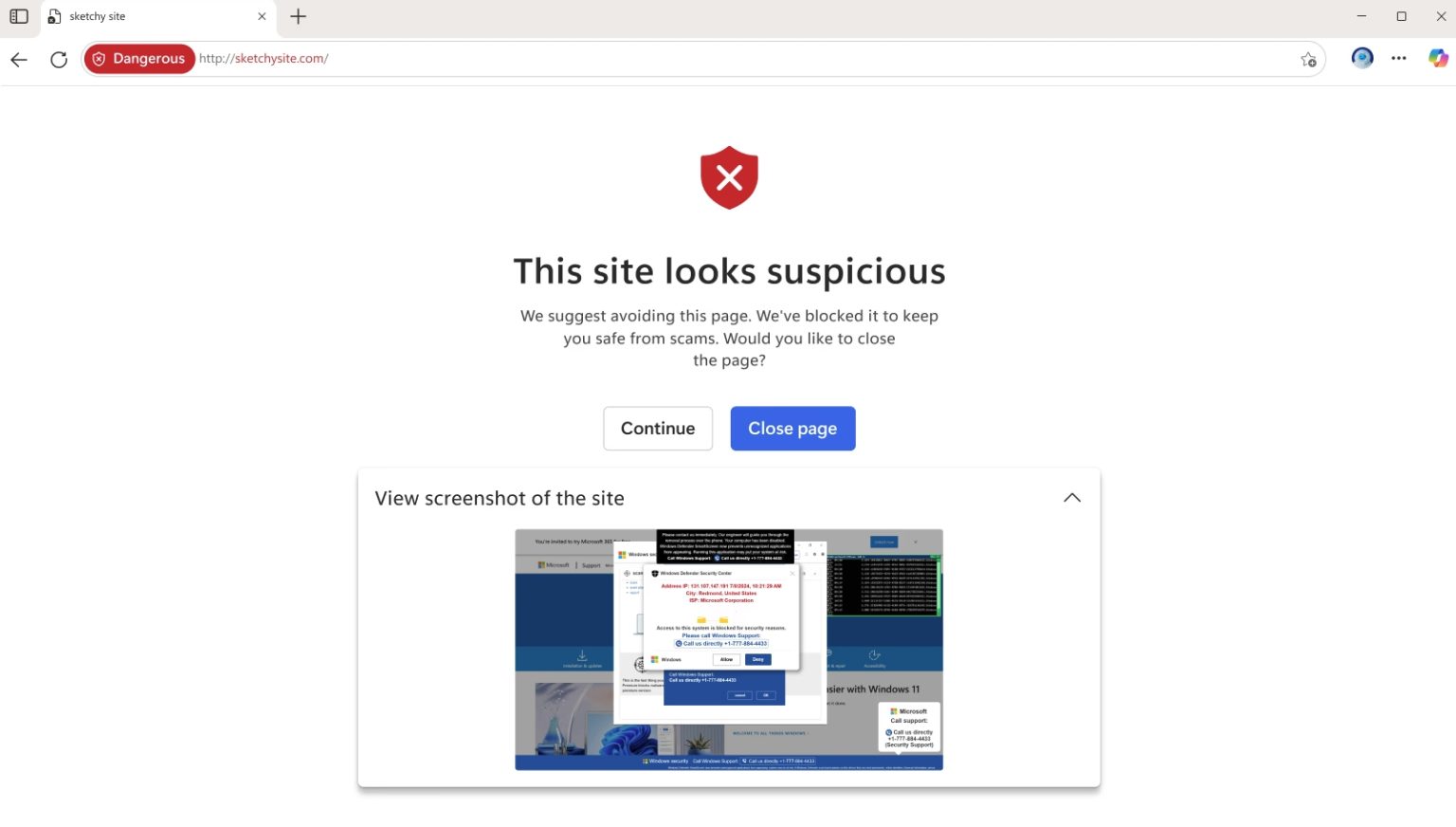
Microsoft has introduced an AI-powered security feature in Edge, called Scareware Blocker. This feature is not available on Linux, i.e. it is exclusive to Windows and macOS. The Redmond company says that when users browse websites in Edge, the browser will detect whether a site is known to be a malicious one indulging in scareware tactics, and will block the site to protect users. Early tests show that the feature failed to block some dangerous websites, which has raised questions about how Edge determines whether a site is scareware, or safe.
Spotify’s lossless audio streaming is here
Spotify’s lossless audio streaming is finally a reality. The feature was announced 4 years ago, when rivals like Apple Music and Amazon Music HD had been launched. Spotify Lossless quality streaming is only available for Premium subscribers. It is slowly rolling out to users in 50 Countries. Users who have access to the feature can choose to listen to high-fidelity music in up to 24-bit/44.1 kHz FLAC format.

Surprisingly, Spotify’s lossless audio streaming is available at no extra cost for Premium subscribers. Still, several Spotify fans are upset at the slow pace that the streaming service is rolling out Hi-fi audio.
KDE Linux Distro alpha released
KDE has released an alpha version of its in-house Linux distribution. It’s simply called KDE Linux. This is an immutable distro, which is built from Arch Linux packages. KDE Linux does not come with a package manager, but does support installing apps from Snap, Flatpak, AppImages. It will come with al the basic apps users may need, including Firefox, Haruna, Elisa, Kate, KWrite, Gwenview.

KDE wants to offer a user-friendly experience with a high quality interface, like Plasma. The system requirements for running KDE Linux are significantly lower than other distros like Mint. You just need 1GB of RAM, 6GB of storage, UEFI firmware and an AMD or Intel CPU, to run KDE Linux on your computer. It does not support NVIDIA GPUs older than the GTX 1630, but you can get them working with some effort.